Hydrophones & Ocean Acoustics
Listening to the hidden underwater world.
Overview
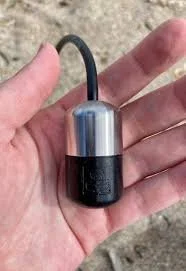
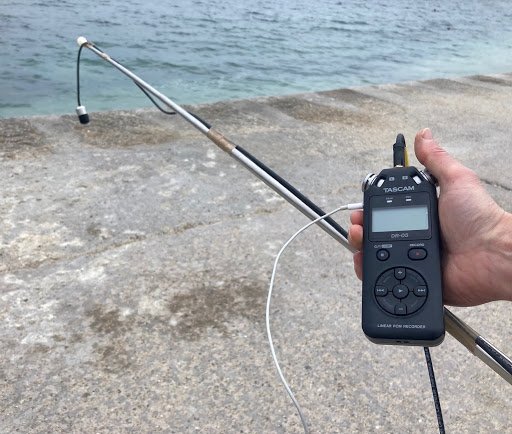
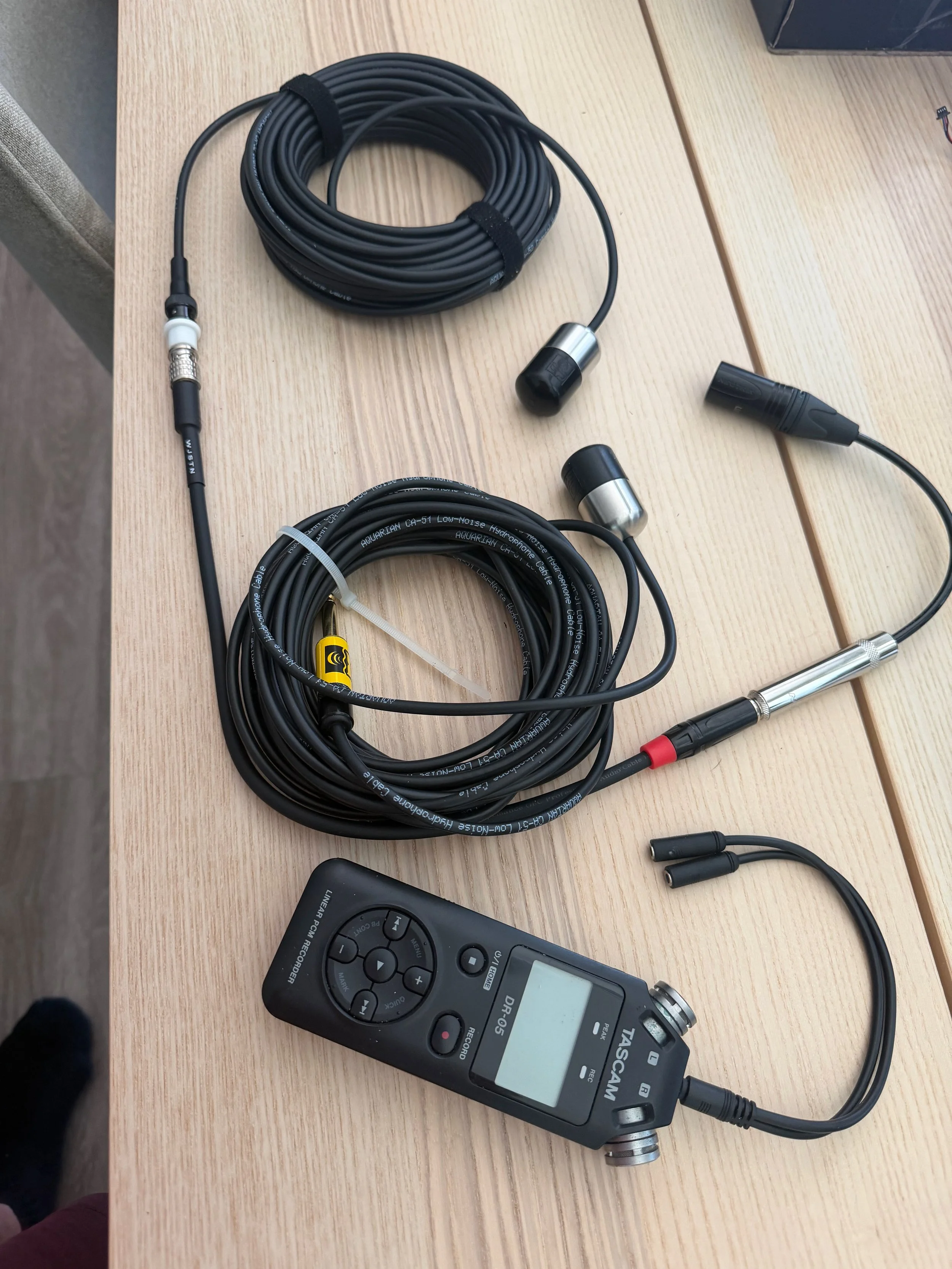
Students deploy professional grade hydrophones and amplification tools to investigate underwater soundscapes while exploring marine life, human activity, sound waves, and environmental acoustics. This highly engaging program helps students understand that science involves listening as well as observing.
The hydrophone program reveals a dimension of the environment that students rarely encounter: underwater sound. It brings emotion, surprise, pattern recognition, and environmental awareness together in a uniquely memorable way.
What students do
• Deploy underwater microphones (Hydrophones) and listen in real environments.
• Capture recordings of natural and human-made sound.
• Compare locations, times, and conditions.
• Explore waveform and frequency concepts at an age approprite level.
• Ask and explore what the sounds may indicate about habitat, activity, or human impact.
What students learn
• The environment can be understood through sound as well as sight and numerical measurement.
• Acoustic signatures vary by place, time, activity, and condition.
• Students can distinguish signal from noise and recognize patterns.
• Science can be emotional as well as analytical.
How this module integrates with the portfolio
Hydrophones pair well with GPS, tide, dock stations, and habitat discussions. They can be used to compare busy and quiet areas, different times of day, and changing environmental conditions.
High-engagement moments
• Hearing the underwater world for the first time.
• Identifying hidden activity that cannot be seen.
• Comparing natural and human-made sound.
• Feeling an immediate personal connection to the environment.